How to Tie a Dropper Loop for a Two-Hook Bottom Rig
Tie a dropper loop step by step and use it to build a two-hook bottom rig (paternoster) for snapper, grouper and reef fish.
The dropper loop creates a loop that stands out at a right angle from the middle of your line, without cutting the line. It is the foundation of the classic two-hook bottom rig (also called a paternoster rig), one of the most effective rigs for catching snapper, grouper, bream, whiting and other reef and bottom fish. This guide shows you how to tie a dropper loop step by step, and then how to build a complete two-hook bottom rig with it.
What a dropper loop is used for
- Two-hook and three-hook bottom rigs (paternoster rigs), where hooks hang above the sinker.
- Sabiki style bait rigs for catching sardines, mackerel and other baitfish.
- Attaching a sinker to the bottom loop of a rig.
- Adding a teaser or flasher above a lure or jig.
Because the hooks sit above the sinker, they stay off the bottom, out of the snags and in front of fish feeding just above the reef. This makes the dropper loop rig ideal for bottom fishing.
How to tie a dropper loop
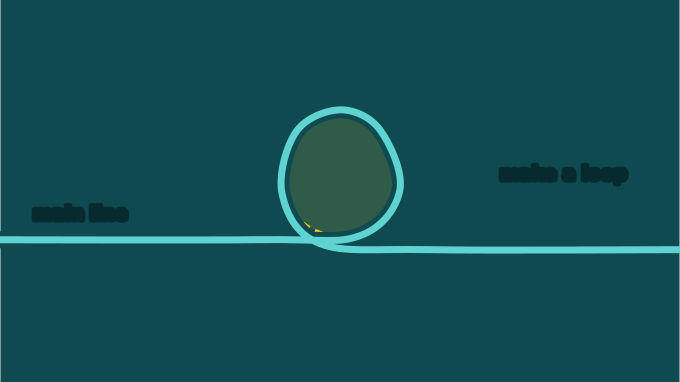
Make a loop in the line where you want the dropper, about 30 cm above where the sinker will go.
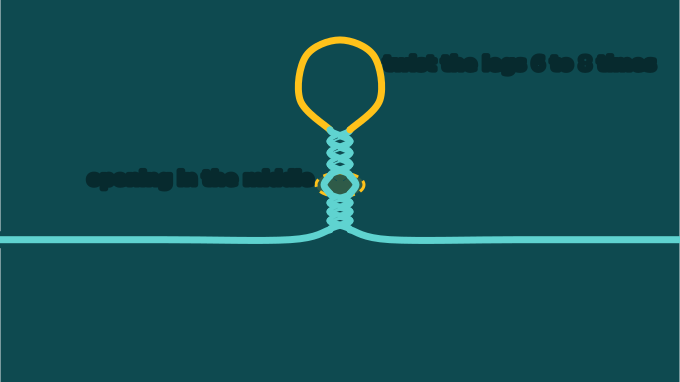
Twist one side of the loop around the other side 6 to 8 times, keeping the loop open in the middle.
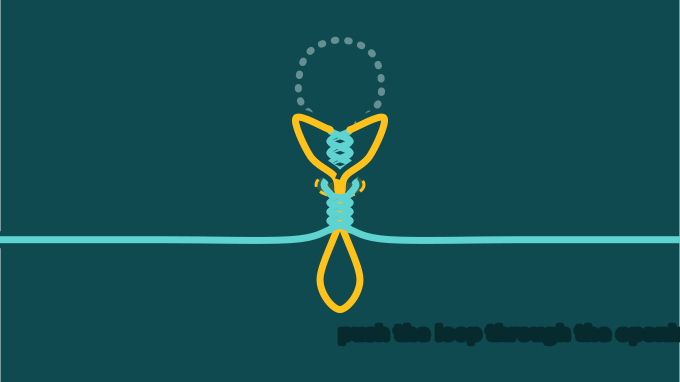
Find the opening in the middle of the twists and push the bottom of the original loop through it.
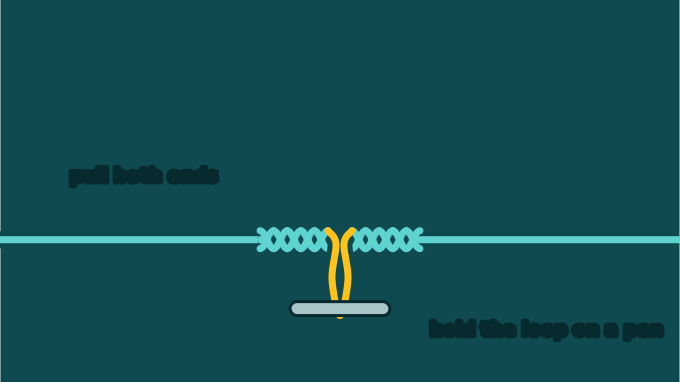
Hold the new loop with a finger or pen, wet the twists and pull both ends of the main line so the twists draw together.
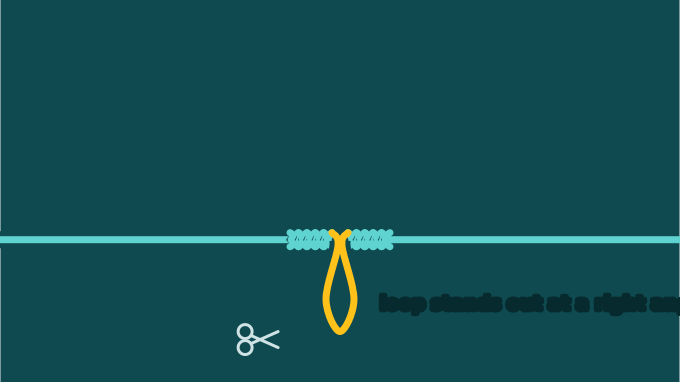
Pull tight so the loop stands out at a right angle from the main line. Add a hook by looping it on, or cut one side to make a single dropper strand.
Tips for a neat, strong dropper loop
- Use 6 to 8 twists. Fewer twists makes a weaker knot; many more makes it bulky and hard to tighten.
- Keep the loop open while you twist. The opening in the centre of the twists is what you pull the loop through.
- Hold the loop with something such as a finger, a pencil or your teeth while tightening, so it does not pull back through.
- Wet the twists before tightening and pull the main line ends firmly and evenly.
- Check that the loop stands out at 90 degrees. If it lies flat along the line, the hooks will tangle more.
Building a two-hook bottom rig (paternoster)
Here is a simple, proven rig for boat and pier fishing:
- Cut about 1.2 m of leader, usually 30 to 60 lb monofilament or fluorocarbon depending on the target fish.
- Tie a swivel to the top end with an improved clinch knot or uni knot. This connects to your main line.
- Tie the first dropper loop about 30 cm below the swivel.
- Tie the second dropper loop about 40 cm below the first, so the hooks do not tangle with each other.
- Tie a small loop or a snap at the very bottom for the sinker.
- Attach a hook to each dropper loop.
- Clip on a bank or bell sinker heavy enough to hold the bottom.
Make sure each dropper loop is shorter than the distance between loops, so the two hooks cannot reach each other.
Attaching hooks to a dropper loop
There are two common methods:
- Loop to loop: pass the loop through the hook eye, then pass the hook back through the loop and pull it snug. Quick to change hooks, but slightly weaker.
- Single strand dropper: cut one side of the loop close to the main line, leaving a single strand dropper. Tie the hook to that strand with an improved clinch knot. This is stronger and the hook moves more naturally, but it uses a little more time.
Use circle hooks on bottom rigs whenever possible: fish hook themselves in the jaw when you simply wind and lift, and released fish survive better. Choose the size with our fishing hook sizes chart.
Choosing the sinker
Use the lightest sinker that keeps the rig on the bottom in the current. Bank sinkers roll less and snag less on rocky ground; bell sinkers work well when drifting. In deep water with strong current you may need 200 to 450 g or more. Learn more in sinkers, swivels and terminal tackle.
Common mistakes
- Loops too long, so the two hooks wrap around each other and the main line.
- Loops too close together, causing tangles.
- Too few twists, leaving a weak knot that slips.
- Using line that is too light around rough reef, where the rig gets cut off. Reef fish such as groupers and red snapper need heavier leaders.
- Weak swivels or snaps. Use quality hardware rated above your line strength.
Species that love a dropper loop rig
This rig accounts for huge numbers of reef and bottom fish, including red snapper, mangrove snapper, mutton snapper, groupers, grey triggerfish, gilthead seabream, spangled emperor and many smaller bream and whiting. On sandy bottoms from the beach, a shortened version with lighter line catches whiting and flatfish.
Pre-tie your rigs at home
Bottom fishing often means losing rigs to the reef. Tie several complete dropper loop rigs at home, wind each one onto a rig spool or into a rig wallet, and you can replace a lost rig in seconds without fumbling with knots on a moving boat.
Identify your catch with ReelScan: snap one photo to get the species, size and safety notes, and earn points. Scan a fish.
Two hooks, double the catches to log
A dropper loop rig often brings up two fish at once, and sometimes two different species. ReelScan identifies each one from a camera photo, warns you about species with venomous spines like scorpionfish and lionfish, and awards points for every real catch. Find out exactly what lives on your favourite reef.
Summary
To tie a dropper loop, make a loop in the line, twist the sides around each other 6 to 8 times, push the bottom of the loop through the centre opening, and pull the main line tight so the loop stands out at a right angle. Use two dropper loops spaced well apart above a sinker to make a classic two-hook bottom rig, add circle hooks, and choose a leader strong enough for the reef you fish.